
UK Express Delivery in 1-2 days 

Fine Talc Team | 20 hours ago

Talcum Powder for Waxing: Why It Works and How to Use It

Ask any beauty therapist what separates a clean, quick wax from a sticky, painful one and most will say preparation. Wax is designed to grip hair, but sweat and natural skin oils get in the way: the wax slides over the hair and sticks to the skin instead. A light dusting of talcum powder before waxing is one of the simplest ways to fix that, and it has been a standard step in treatment rooms for decades.

This guide explains why talc works, how to use it with hard wax, strip wax and sugar paste, and how to choose the right talc, whether you wax at home or run a busy salon.

Why use talcum powder before waxing?

Talc is a naturally occurring mineral, hydrated magnesium silicate, and the softest mineral known, sitting at 1 on the Mohs hardness scale. Finely milled, it forms tiny flat, plate-like particles that spread into an almost invisible film. Before a wax, that film does three useful jobs.

It absorbs moisture and oil. Even skin that looks dry carries a thin layer of sweat and sebum. Talc soaks this up, so the wax meets dry hair rather than a slippery surface.

It helps the wax grip hair, not skin. With surface oils removed and a fine layer of powder between wax and skin, the wax wraps around each hair and lifts away from the skin more cleanly. That means less dragging, less redness, less residue and fewer passes over the same area.

It keeps results consistent. Warm rooms, humid weather and nervous clients all mean damp skin. A quick dusting evens out those variables so the wax behaves the same way from one area to the next.

A light white film also makes fine or fair hairs easier to see, which helps on smaller areas. Our cosmetic-grade talc powder for waxing is an asbestos-free, 400 mesh talc milled for exactly this kind of fine, even application.

Does talc work with every type of wax?


Talc suits all the main waxing methods. The only thing that changes is how much you use.


Hard (hot or film) wax. Talc is widely used under hard wax, particularly on areas that sweat, such as underarms. Some hard wax brands suggest a pre-wax oil instead, so it is worth checking the instructions for your wax.


Soft (strip) wax. Strip wax needs a clean, dry surface to grip the hair. A very light dusting of talc is ideal; too much can stop the wax adhering. Avoid oil before strip wax for the same reason.


Sugaring. Sugar paste is water-based, so moisture on the skin is its biggest enemy. Powdering before sugaring is standard practice, and a fine talc gives a smooth, even base.


Home wax strips. Ready-made strips work best on bone-dry skin. A small amount of talc smoothed over the area before you press the strip down can noticeably improve the pull.

How to apply talc before waxing: step by step


Cleanse the area.

 Remove body lotion, deodorant, make-up and fake tan with a pre-wax cleanser or mild soap and water, then pat the skin completely dry.


Dispense, don't shake.

 Tip a small amount of talc into your palm, a small bowl or onto a soft powder brush rather than shaking it straight over the body. It keeps things neat and means nothing goes to waste.


Dust a thin, even layer.

 Sweep the powder lightly over the area. You want a barely visible film; if you can see white patches, you have used too much.


Brush off the excess.

 Use a clean, dry brush to remove any loose powder before you apply the wax.


Wax in sections.

 Work as normal. If an area becomes damp again, which is common on underarms, re-dust that section only.


Finish with aftercare.

 Remove any wax residue, then apply a soothing after-wax lotion to calm the skin.

Pro tips for a smoother wax


Less is more.

 A barely-there film works better than a thick layer, and too much powder can stop the wax gripping the hair.


Use a big, soft brush.

 It gives the thinnest, most even coverage and keeps your workspace tidy.


Touch up damp areas.

 Underarms and the backs of the knees can get damp mid-treatment; a quick re-dust keeps the wax gripping.


Match your prep to the area.

 Many therapists use talc on legs, arms, underarms and backs, and switch to hard wax with a pre-wax oil for bikini and intimate waxing.


Keep it dry.

 Store talc sealed in a cool, dry place; damp powder clumps and won't spread evenly.

How to choose the best talc for waxing


Cosmetic grade and asbestos-free. Industrial and craft talc isn't made for skin. Choose cosmetic-grade talc from a supplier that can confirm it is asbestos-free; cosmetic talc comes from deposits selected for their purity and is checked before it can be classed as cosmetic grade (The Facts About, CTPA). We cover what to look for in our guide to choosing the best talc in the UK.


Fine particle size. Finer talc spreads into a thinner, more even layer and feels silky rather than gritty on the skin. Ours is milled to 400 mesh.


Unscented, with no additives. Fragrance adds nothing to a wax and can sting freshly waxed skin. Plain talc is the gentler choice; see our Unscented Talcum Powder.


The right pack size. For home waxing, a 100 g bottle of our Unperfumed Talcum Body Powder lasts a long time. Salons and therapists can buy Talcum Powder Fine Pure A+ in 1 kg, 5 kg or 25 kg packs and refill their own containers.


Why choose TPS Fine Talc for waxing?


Cosmetic grade and asbestos-free. A talc made for use on skin, not a repurposed industrial powder.


Ultra-fine 400 mesh. Spreads into a smooth, even film with no grittiness, so a little goes a long way.


Nothing added. Pure, unscented talc with no fragrance or fillers, so it is gentle on freshly waxed skin.


Labelled and packed in London. Sent straight to you from our London facility.


From home kits to salon stock. Choose anything from a 100 g bottle to a 25 kg bag.

Shop TPS Fine Talc Powder for waxing →

Talc, cornflour or pre-wax oil?


Talc: very fine and silky, absorbs both moisture and oil, and spreads thinly. Works with hard wax, strip wax and sugaring, which makes it the most versatile pre-wax powder.


Cornflour (cornstarch): a plant-based alternative used by some salons. It absorbs moisture well but has a slightly coarser feel than finely milled talc.


Pre-wax oil: preferred by some therapists for hard wax. Not suitable before strip wax, because oil stops strip wax gripping the hair.

Many professionals keep more than one on hand and choose by body area and wax type.

Stocking up for your salon


Buy in 5 kg or 25 kg and decant into shakers or lidded pots for each treatment room; it works out far cheaper per client than small retail bottles.


Decant a small amount per client rather than dipping into a bulk tub, so your main stock stays clean and dry.


Use a clean brush for each client, or wash and fully dry brushes between treatments.


Keep your supplier's safety data sheet and asbestos-free documentation on file for your records.


Compare all our grades and pack sizes on our talc products page.


Frequently asked questions


Should I use talcum powder before waxing?


Yes. A thin layer of cosmetic-grade talc on clean, dry skin absorbs sweat and oil, so the wax grips the hair instead of the skin. The result is a cleaner pull, less redness and less residue, with fewer passes over the same area.


Can I use baby powder before waxing?


You can, but check the label first. Many baby powders are now made from cornstarch rather than talc, and some contain fragrance that can irritate freshly waxed skin. A plain, unscented, cosmetic-grade talc gives a more predictable result.


Do you use talc with hard wax or soft wax?


Both. With soft (strip) wax, use only a very light dusting so the wax can still grip the hair. With hard wax, talc works well on areas that sweat, though some brands suggest pre-wax oil instead, so follow the guidance for your wax.


How much talc should I use before waxing?


Less than you think. Aim for a barely visible film: tip a small amount onto a brush or your palm, sweep it over the area, then brush off any excess. If you can see white patches, there is too much, and the wax may not grip the hair properly.


What is the best talc for waxing?


The best talc for waxing is fine, cosmetic grade, unscented and asbestos-free. Fine particles of around 400 mesh spread into a thin, even film, and no added fragrance makes it gentler on freshly waxed skin. Our TPS Fine Talc Powder is made for exactly this.


Can I buy talc in bulk for my salon?


Yes. Our Talcum Powder Fine Pure A+ comes in 1 kg, 5 kg and 25 kg packs, so you can refill the shakers and pots in your treatment rooms and keep your cost per client low.


The bottom line


A thin layer of talc on clean, dry skin is one of the simplest ways to get a cleaner, smoother, more comfortable wax. Choose a fine, unscented, cosmetic-grade talc, dust lightly, brush off the excess and let the wax do the rest.


Shop TPS Fine Talc for waxing →


Fine Talc Team

More Posts

Talcum Powder Buyer's Guide: Grades, Uses and SafetyTalcum Powder Buyer's Guide: Grades, Uses and Safety
Talcum Powder Buyer's Guide: Grades, Uses and Safety

Talcum powder is one of the most versatile everyday minerals. The same soft white powder sits in bathroom cabinets, make-up bags, gym bags, food factories and rubber plants.


This guide covers what talcum powder actually is, the different grades, what each one is used for, what the latest science says about safety, and how to buy genuinely asbestos-free talcum powder.


At Fine Talc, we supply A+ grade, asbestos-free talc to UK households and businesses, from 100g packs to 25kg trade bags. Everything below is written to help you choose the right product, whether or not you buy it from us.
Talc for Rubber: The Complete Guide to Rubber-Grade TalcTalc for Rubber: The Complete Guide to Rubber-Grade Talc
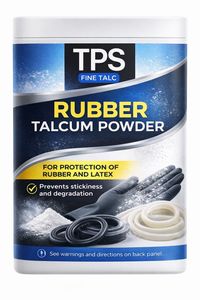
Talc for Rubber: The Complete Guide to Rubber-Grade Talc

This guide is written for compounders, technical managers and buyers at UK rubber manufacturers. It explains what rubber-grade talc is, what it does inside a compound, where it is used, which specifications to check on a data sheet, and how to choose a supplier you can rely on batch after batch.


Rubber talc is a finely ground, plate-shaped mineral filler that rubber manufacturers use for three jobs at once: as an anti-tack dusting agent, as a processing aid and as a semi-reinforcing filler. Used well, it stops uncured compound sticking together, gives smoother extrusions with cleaner edges, and lowers compound cost without a large drop in physical properties.

Talc in Polypropylene Compounding: The Filler That Buys You Stiffness, Heat Resistance and Faster CyclesTalc in Polypropylene Compounding: The Filler That Buys You Stiffness, Heat Resistance and Faster Cycles
Talc in Polypropylene Compounding: The Filler That Buys You Stiffness, Heat Resistance and Faster Cycles

Talc is one of the most cost-effective ways to turn commodity polypropylene into a stiffer, more heat-stable, faster-moulding compound. Here's how it works — and how to pick the grade that actually delivers for your application.