UK Express Delivery in 1-2 days 

More Posts

Talcum Powder for Waxing: Why It Works and How to Use ItTalcum Powder for Waxing: Why It Works and How to Use It
Talcum Powder for Waxing: Why It Works and How to Use It

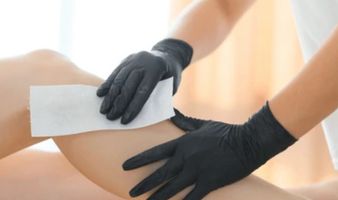
Ask any beauty therapist what separates a clean, quick wax from a sticky, painful one and most will say preparation. Wax is designed to grip hair, but sweat and natural skin oils get in the way: the wax slides over the hair and sticks to the skin instead. A light dusting of talcum powder before waxing is one of the simplest ways to fix that, and it has been a standard step in treatment rooms for decades.

This guide explains why talc works, how to use it with hard wax, strip wax and sugar paste, and how to choose the right talc, whether you wax at home or run a busy salon.
Talcum Powder Buyer's Guide: Grades, Uses and SafetyTalcum Powder Buyer's Guide: Grades, Uses and Safety
Talcum Powder Buyer's Guide: Grades, Uses and Safety

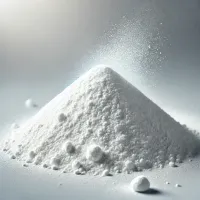
Talcum powder is one of the most versatile everyday minerals. The same soft white powder sits in bathroom cabinets, make-up bags, gym bags, food factories and rubber plants.


This guide covers what talcum powder actually is, the different grades, what each one is used for, what the latest science says about safety, and how to buy genuinely asbestos-free talcum powder.


At Fine Talc, we supply A+ grade, asbestos-free talc to UK households and businesses, from 100g packs to 25kg trade bags. Everything below is written to help you choose the right product, whether or not you buy it from us.


Talc for Rubber: The Complete Guide to Rubber-Grade TalcTalc for Rubber: The Complete Guide to Rubber-Grade Talc
Talc for Rubber: The Complete Guide to Rubber-Grade Talc

This guide is written for compounders, technical managers and buyers at UK rubber manufacturers. It explains what rubber-grade talc is, what it does inside a compound, where it is used, which specifications to check on a data sheet, and how to choose a supplier you can rely on batch after batch.


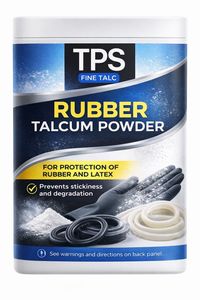
Rubber talc is a finely ground, plate-shaped mineral filler that rubber manufacturers use for three jobs at once: as an anti-tack dusting agent, as a processing aid and as a semi-reinforcing filler. Used well, it stops uncured compound sticking together, gives smoother extrusions with cleaner edges, and lowers compound cost without a large drop in physical properties.

Talc in Polypropylene Compounding: The Filler That Buys You Stiffness, Heat Resistance and Faster CyclesTalc in Polypropylene Compounding: The Filler That Buys You Stiffness, Heat Resistance and Faster Cycles
Talc in Polypropylene Compounding: The Filler That Buys You Stiffness, Heat Resistance and Faster Cycles

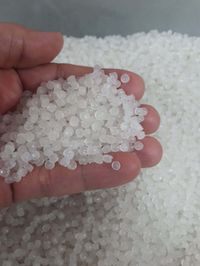
Talc is one of the most cost-effective ways to turn commodity polypropylene into a stiffer, more heat-stable, faster-moulding compound. Here's how it works — and how to pick the grade that actually delivers for your application.